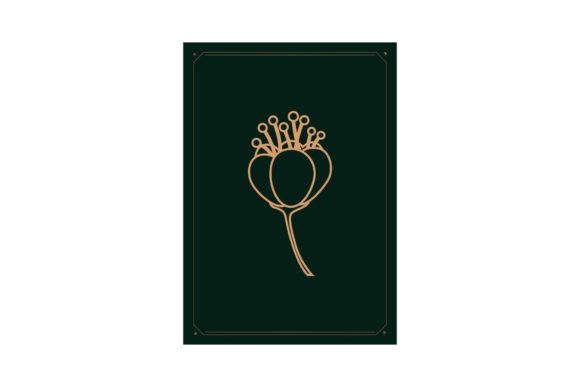
Flowers Dark Green Card: A Designer's Real-World Embroidery Review
When I first opened the Flowers Dark Green Card, my immediate reaction wasn't about the file size or the vector format. It was about the mood. In a sea of generic floral patterns and overly complex botanical illustrations, this design stood out for its specific, grounded energy. The deep green palette immediately suggests nature, stability, and elegance, but without feeling stuffy or traditional. As someone who spends hours evaluating embroidery files for client projects and my own handmade shop, I look for designs that translate well from a screen to a needle. This piece feels like it belongs in a curated boutique collection rather than a mass-market discount bin.
The First Stitch: Visual Personality and Project Fit
The layout of the Flowers Dark Green Card is clean, which is often the hardest thing to achieve in digital illustration. It has a distinct visual personality that balances organic flow with structured composition. When I imagine this as an embroidery project, the dark green tones offer a sophisticated backdrop that allows lighter thread colors to pop, or conversely, allows for a monochromatic stitching approach that looks incredibly high-end. It creates a sense of calm and growth, making it perfect for spring collections, earth-themed gifts, or branding for eco-friendly businesses.
I see this design fitting naturally into several categories. It isn't just an Illustrations category item; it is a versatile Graphics asset ready for real-world application. Whether you are creating a custom embroidered patch for a denim jacket or a delicate detail on a baby onesie, the shape holds up. The vector nature means you can resize it without losing quality, which is crucial when scaling a logo for a small hat versus a large tote bag. However, the true test of any design is how it behaves under the hoop, and that is where the practical judgment comes in.
Real-Life Scenario: The Boutique Tote Bag Challenge
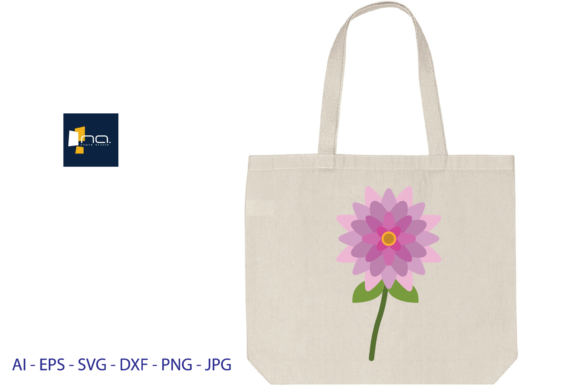
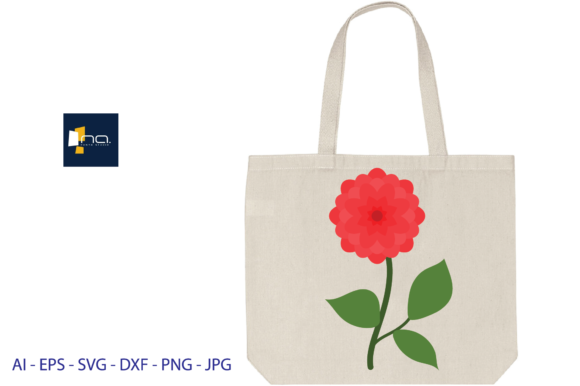
Let's walk through a specific scenario. Imagine you are an Etsy seller preparing a batch of custom tote bags for a local farmers market. You need something that screams "handmade" but looks professional enough to command a higher price point. You decide to use the Flowers Dark Green Card on a heavy cotton canvas bag. The dark green theme matches the natural aesthetic of the market perfectly.
As I simulate the process in my mind, the design works beautifully here. The fill stitches would lay down smoothly on the canvas, providing a rich texture that contrasts nicely with the fabric weave. If you stitch this in a matching dark green thread with subtle highlights in sage or cream, the result is understated luxury. Customers walking by at the craft fair would notice the depth of the stitching. It elevates a simple canvas bag into a handmade product that feels intentional and cared for. The design doesn't feel cluttered, so even if you add a small text element below it, the overall composition remains balanced.
Now, consider a different angle: a holiday gift. The same design could be adapted for a kitchen towel or a pillow cover. The dark green evokes a winter or autumn vibe, making it ideal for seasonal decor. When used as a personalized gift, the quality of the stitching becomes the primary driver of customer satisfaction. There is nothing more disappointing than a design that looks good on a computer but collapses into a blob of thread once stitched. The clarity of the lines in Flowers Dark Green Card suggests it will hold its integrity, provided the digitizing is done correctly.
Where to Exercise Caution
While this design is promising, every experienced designer knows that context is everything. There are specific situations where the Flowers Dark Green Card might struggle if not handled with care. For instance, using this design on a curved surface like a baseball cap requires precision. The density of the floral elements needs to be reviewed to ensure they don't bunch up around the curve of the visor. If the stitch density is too high, the fabric might pucker, ruining the drape of the garment.
Thin fabrics are another potential pitfall. If you attempt to embroider this on a lightweight silk or a sheer curtain, the stabilizer requirements become critical. Without the right backing, the tension of the satin stitch could distort the material. Similarly, on stretchy fabrics like jersey knit t-shirts, the design must be anchored properly to prevent shifting during the wash cycle. I would advise against placing dense areas of this design on small hoop sizes unless the details are simplified. Tiny lettering or intricate corners often get lost when the machine struggles to navigate tight spaces.
Also, consider the background color. While the design features dark greens, placing it on a very dark fabric might require a heavy underlay or a contrasting thread color to make the image visible. If the contrast is too low, the finished product may look muddy rather than elegant. Always test the thread color combination before committing to a full production run.
Impact on Brand and Customer Trust
In the world of commercial embroidery and small business merchandise, the finish line matters. A well-executed design builds trust. When a customer receives a sweatshirt with the Flowers Dark Green Card stitched cleanly, they perceive value. They see the time and skill involved. This perception directly influences their willingness to recommend your shop or return for future purchases. Conversely, a poorly executed version of this design—perhaps with loose threads or skipped stitches—can damage your brand reputation instantly.
The design also enhances the "giftability" of your items. A crisp, professional-looking embroidery job makes a product feel special. It transforms a standard item into a keepsake. For Etsy sellers and small shop owners, this distinction is vital. Your product photos should reflect the reality of the stitching, and having a design that translates well ensures your printable mockups match the final output. This consistency is key to managing customer expectations and reducing returns.
Practical Notes for the Designer
Before you rush to load this file into your machine, there are a few steps you must take to ensure success. First, always test the design on scrap fabric that matches your intended project in weight and texture. This helps you gauge the tension and the amount of stabilizer needed. Check the thread colors against the fabric to ensure sufficient contrast. If the design includes fine details, inspect them closely on the screen and consider simplifying them if they seem too fragile for the chosen fabric.
Review the stitch density settings in your digitizing software. If the file is a vector, you have the power to adjust these parameters. Ensure the satin stitch edges are sharp and the fill stitch direction follows the contours of the flowers to create a natural flow. Don't forget to check whether the design works for both personal and commercial projects by verifying the licensing terms. Many vector assets come with restrictions on how many finished items you can sell.
Finally, compare light and dark fabric backgrounds in your mockups. See how the Flowers Dark Green Card performs when the base changes. Does it still stand out? Is the mood preserved? By taking these precautions, you turn a digital asset into a tangible masterpiece. Whether you are creating custom apparel, baby embroidery, or holiday embroidery, attention to these details separates the hobbyist from the professional. The Flowers Dark Green Card is a strong candidate for your next project, provided you treat it with the respect it deserves.