Beauty Flowers: A Designer's Review for Real Embroidery Projects
When I first opened the Beauty Flowers vector file, my immediate reaction was a mix of curiosity and practical assessment. As someone who has spent years evaluating digital assets for physical production, I don't just look at how pretty an image is on a screen; I think about how it translates to thread, needle, and fabric. The description promises a graphic suitable for logos, illustrations, and animations, but for us in the embroidery world, the real question is whether this design holds up under the tension of a sewing machine. My goal here is to walk you through a realistic evaluation of Beauty Flowers, not as a marketing pitch, but as a working designer thinking through a potential client project or a new addition to a handmade shop inventory.
The First Impression: Mood and Visual Personality
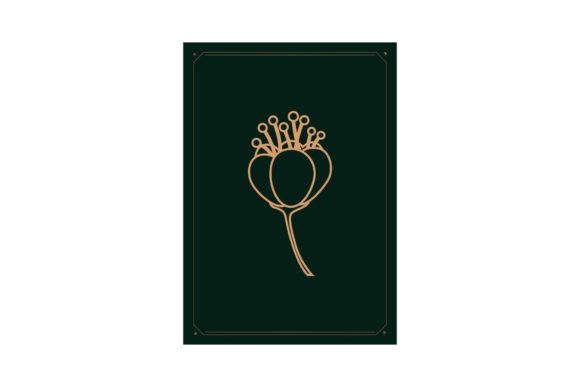
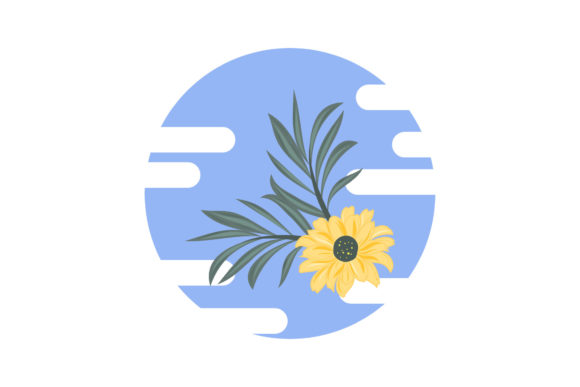
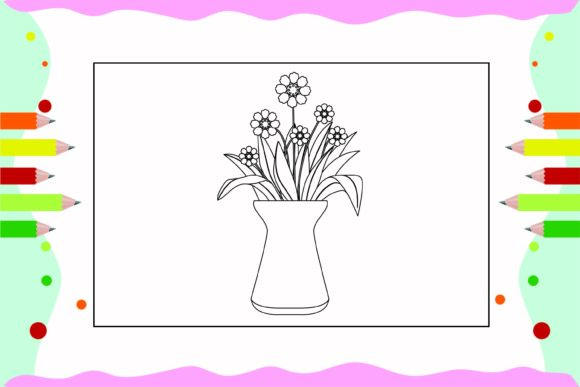
The name Beauty Flowers sets a clear expectation, and the vector art delivers on that promise with a sense of elegance and approachability. Visually, the design feels soft yet structured, avoiding the chaotic clutter that often plagues generic floral graphics. The lines appear clean, suggesting that the final stitched product will have a crisp outline rather than a fuzzy, over-stitched mess. This kind of visual personality naturally leans towards projects that require a touch of sophistication without being overly formal.
In terms of layout, the composition seems balanced enough to work well on both large garments and smaller accessories. It creates a mood that is welcoming and organic, making it ideal for items meant to evoke comfort and care. For a boutique owner or an Etsy seller, this aesthetic is gold because it bridges the gap between modern minimalism and traditional craft. It doesn't scream "trendy" in a way that will date quickly; instead, it offers a timeless appeal that fits seamlessly into nursery decor, wedding gifts, or everyday wearables.
Real-World Application: From Screen to Stitch
Let's imagine a specific scenario where I would deploy Beauty Flowers. Suppose I am preparing a custom order for a local bridal shower. The client wants embroidered aprons for the kitchen party, featuring a delicate floral motif that matches their pastel theme. Here, the vector nature of the design becomes crucial. Because the file is openable and editable, I can resize the flowers to fit perfectly on the back of an apron pocket without losing quality. I can adjust the spacing to ensure the design doesn't bunch up when the fabric moves.
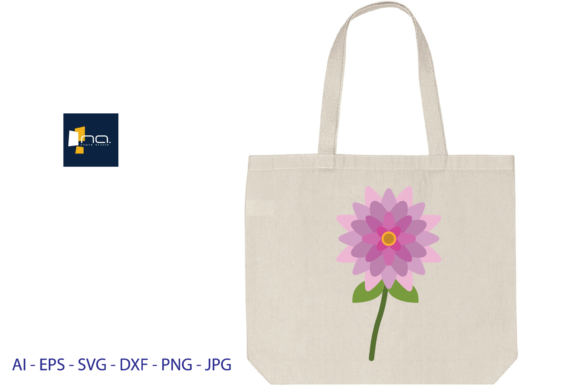
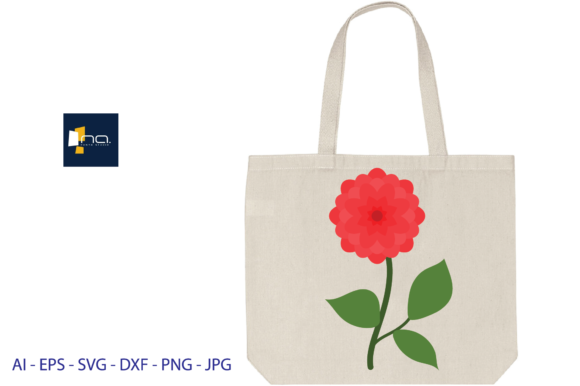
However, the transition from a flat vector to a textured embroidery design requires careful consideration. If I were to use this for a sweatshirt embroidery project, the fill density would need to be checked against the heavy cotton fleece. Too much density could make the sweatshirt feel stiff and unwearable, while too little might leave gaps in the petals. On a lighter fabric like a tote bag design made of canvas, the same design might require a different stitch type to ensure durability during washing. The versatility of the graphics allows me to adapt the color palette instantly, perhaps switching from soft pinks to deep navy threads to match a corporate logo request.
Navigating Technical Challenges and Limitations
While Beauty Flowers is promising, no design is perfect for every surface. There are specific scenarios where I would exercise caution. For instance, using this design on a curved surface like a baseball cap presents a unique challenge. While the vector is resizable, the curvature of a cap can distort the flow of the flower if the digitization isn't adjusted for the curve. I would advise testing this on a small patch first before committing to a full hat run.
Texture is another factor. If I were stitching this onto a highly textured fabric like a chunky knit sweater or a rough burlap sack, the fine details of the vector might get lost in the weave. In such cases, a simpler outline or a reduced detail level would be necessary. Similarly, on thin or stretchy fabrics like jersey t-shirts, the stability of the design depends heavily on the choice of stabilizer. Without proper support, the satint stitch areas of the flowers could pull the fabric, causing puckering that ruins the professional look of the finished item.
I also need to consider the size constraints. If a customer requests a tiny version of Beauty Flowers for a baby onesie or a miniature embroidered patch, the intricate details might become indistinguishable once stitched. Tiny lettering or very fine lines within the petals could merge together, creating a muddy appearance. In these instances, simplifying the design before converting it to a machine-readable format is essential to maintain clarity.
Impact on Product Value and Brand Perception
The quality of the design directly influences the perceived value of the handmade product. A well-executed embroidery project using Beauty Flowers signals professionalism and attention to detail to the buyer. When a customer sees a clean, well-defined floral pattern on a personalized gift, they associate that precision with the overall quality of the brand. Conversely, a poorly executed stitch job can undermine trust, even if the product itself is otherwise excellent.
For Etsy sellers and small business owners, the ability to create consistent branding is vital. If Beauty Flowers is used across a range of products—from kitchen towels to pillow covers—it creates a cohesive visual identity. This consistency helps in building recognition and loyalty among repeat customers. Furthermore, the editability of the vector file means I can create variations for seasonal collections, such as adding autumn colors for a holiday gift line or keeping it monochrome for a minimalist aesthetic. This flexibility adds significant value to the asset, turning a single purchase into a versatile tool for multiple revenue streams.
Practical Notes for the Embroidery Designer
Before I recommend Beauty Flowers for any commercial venture, there are several steps I always take to ensure success. First and foremost, I test the design on scrap fabric that mimics the intended end product. This allows me to gauge the thread colors and see how the fill stitch interacts with the fabric texture. I also review the stitch density to ensure it isn't too heavy for the material, which could lead to tearing or stiffness.
Checking the hoop size is critical; if the design exceeds the maximum hoop dimensions of your machine, you will face alignment issues. I also inspect the small details closely, zooming in to see if any elements are too close together to stitch cleanly. Running a black and white mockup can sometimes reveal contrast issues that color masks might hide, ensuring the design remains legible regardless of the thread choice. Additionally, verifying the licensing terms is non-negotiable. Before selling finished items or digital products, I confirm whether the license permits commercial use, protecting my business from legal complications.
Ultimately, Beauty Flowers offers a solid foundation for a wide array of creative endeavors. Whether you are crafting a one-of-a-kind personalized gift or scaling up production for a craft business, this design provides the flexibility needed to succeed. By approaching it with a critical eye and following best practices for stabilization and testing, you can transform this digital asset into a stunning physical reality that delights customers and elevates your brand.