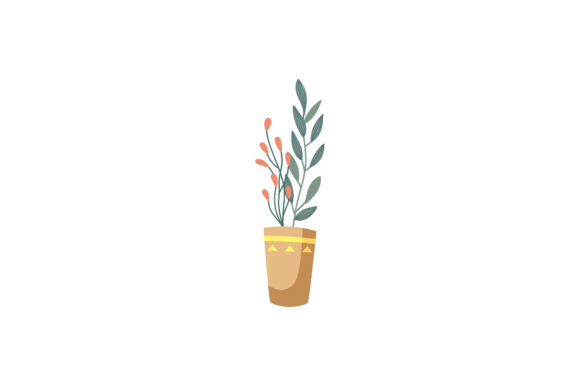
Beauty Illustration Flowers: Graphics for Editorial & Blogging
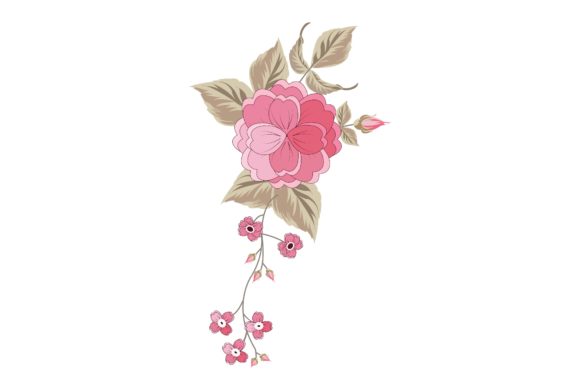
When I sit down to plan a new content strategy, the first thing I look at is not the headline or the affiliate links, but the visual language. As a digital publisher who has spent years refining blog aesthetics and optimizing editorial layouts, I know that visual communication is the silent partner of every successful article. Recently, I evaluated a specific asset called Beauty Illustration Flowers, and it immediately caught my attention for its potential to elevate lifestyle and beauty-focused publishing.
This isn't just another clip art file; it is a sophisticated graphic design asset that bridges the gap between artistic expression and functional web design. When you are building a brand identity that needs to feel polished, trustworthy, and inviting, the difference often comes down to these subtle details. Let's dive into how this vector illustration fits into a real-world publishing workflow.
The First Impression: Setting an Editorial Mood
My initial reaction to the Beauty Illustration Flowers Vector Design Graphic was one of refined elegance. In the world of online publishing, the mood you set in the first three seconds determines whether a reader stays or leaves. This asset creates a distinctively feminine yet professional atmosphere. It feels less like a generic decoration and more like a curated element of a high-end magazine spread.
The style leans towards modern design with clean lines and organic shapes, making it perfect for niches that value aesthetics, such as wellness, beauty tutorials, fashion blogging, or even creative entrepreneurship. Unlike harsh corporate imagery, these graphics soften the digital experience, fostering a sense of approachability and trust. For a newsletter creator or an online educator, this mood signals quality without being overly aggressive or salesy. It suggests that the content behind the image is just as beautiful as the visual wrapper.
Integrating into Real Publishing Workflows
I tested this asset across several stages of my typical content production cycle, from the initial brainstorming phase to final distribution. The versatility of the vector format is a game-changer for any small business owner or digital marketer who needs to maintain consistency across multiple channels.
- Featured Images and Article Headers: One of the most critical spots on a blog is the hero image. Placing Beauty Illustration Flowers here adds an immediate layer of sophistication. It breaks up text-heavy pages and draws the eye naturally to the title, improving the overall visual hierarchy.
- Pinterest Pins and Social Media Graphics: On platforms like Pinterest, where users scroll rapidly, your image must stop the thumb. These illustrations work beautifully as overlays or background accents for pins promoting digital guides, worksheets, or affiliate product reviews. They offer a cohesive look that distinguishes your content from the clutter of stock photography.
- Newsletter Banners and Email Headers: Building a loyal email list requires a consistent brand voice. Using these graphics in your monthly newsletter headers creates a familiar "home" for your subscribers, increasing open rates and click-through potential.
- Digital Products and Lead Magnets: If you sell eBooks, downloadable printables, or Canva templates, the cover design is paramount. This asset serves as an excellent foundation for creating a premium-looking digital download. The editable nature of the files allows you to resize elements without losing quality, ensuring your lead magnets look crisp on any device.
Boosting Performance Through Visual Consistency
Why does a simple flower illustration matter for your bottom line? In the realm of content marketing, perception is reality. When your website looks professionally designed, readers subconsciously assume your information is accurate and valuable. By incorporating Beauty Illustration Flowers into your category thumbnails and media kits, you establish a stronger visual identity.
This consistency aids in better category recognition. A visitor scanning your site will instantly associate the floral motif with your brand, reinforcing your brand identity every time they return. Furthermore, for affiliate marketers, having high-quality visuals around product recommendations can significantly impact conversion rates. A polished layout reduces friction and builds the confidence necessary for a user to click an affiliate link.
Where This Asset Shines
There are specific contexts where this graphic design tool excels beyond standard usage. It is particularly effective for editorial accents within long-form articles, breaking up dense paragraphs of text with engaging visual breaks. It also works wonders as a decorative border for downloadable resources or as a central element in social media previews.
For those creating a modern design portfolio or a creative marketplace shop, these vectors provide the flexibility needed to adapt to various themes. Whether you need a subtle watermark for your images or a bold header for a landing page, the ability to edit and resize the vector files ensures you never have to compromise on resolution.
Strategic Considerations and Limitations
However, a seasoned publisher knows that no single asset is a silver bullet. While Beauty Illustration Flowers is stunning, there are scenarios where caution is required. For instance, if you are running a serious professional niche, such as legal advice or financial consulting, this playful, floral aesthetic might undermine your authority. Similarly, in very minimalistic websites that rely on stark typography and negative space, adding decorative elements could feel cluttered.
Mobile optimization is another critical factor. When used as a thumbnail on mobile screens, complex details in the illustration might get lost or appear muddy if the file size is too large. You must ensure the design remains legible when scaled down. Additionally, on low-contrast backgrounds or busy layouts, the delicate lines of the flowers might disappear, reducing their effectiveness as a visual anchor.
Practical Publisher Notes for Implementation
To get the most out of this creative design asset, I recommend a rigorous testing phase before rolling it out across your entire platform. Start by previewing the graphics inside a real blog layout to see how they interact with your existing typography. Does the floral motif clash with your serif fonts, or does it complement them?
Test the asset against different font styles, including script, handwritten, and display fonts, to ensure the combination reads well. Check the contrast ratios carefully, especially if you plan to overlay text directly on top of the illustration. A common mistake is placing white text over light-colored petals, which ruins readability. Always review the file size for web performance; compress images properly to ensure your site loads quickly, as speed is a key ranking factor for SEO.
Finally, verify your commercial license before using these graphics on monetized websites or paid content products. Ensure you have the rights to use the Beauty Illustration Flowers Vector Design Graphic suitable for your design needs logos, illustrations, animations, t-shirt designs, etc., specifically for commercial projects. Once cleared, you can confidently integrate these design assets into your affiliate content visuals and brand identity toolkit.
In conclusion, Beauty Illustration Flowers is more than just a pretty picture; it is a strategic tool for enhancing editorial quality and reader engagement. When used thoughtfully, it transforms a standard blog post into a visually compelling experience that encourages clicks, shares, and loyalty.