Flowers Coloring Pages for Kids 53: A Designer's Embroidery Review
As a designer who spends hours translating digital art into tangible stitches, I approach every new asset with a mix of excitement and skepticism. When Flowers Coloring Pages for Kids 53 landed in my inbox, I didn't just see a pretty image; I saw potential inventory for an upcoming craft fair and a custom order for a local boutique. The product description promises vector files that are openable, editable, and resizable without losing quality. While that is the baseline expectation for modern design assets, the real question remains: how does this translate when the needle starts moving?
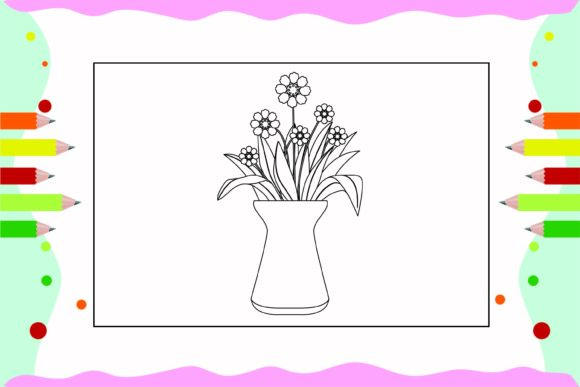
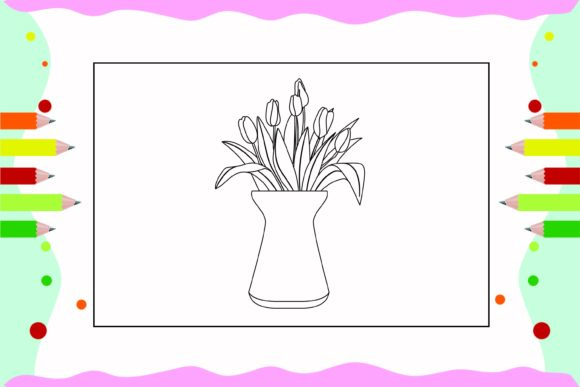
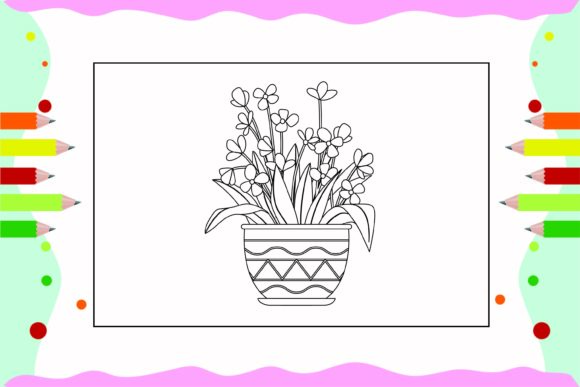
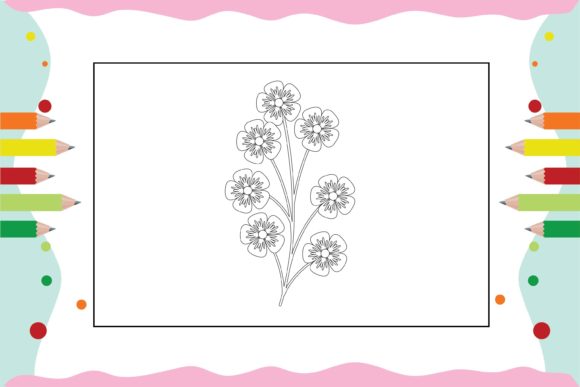
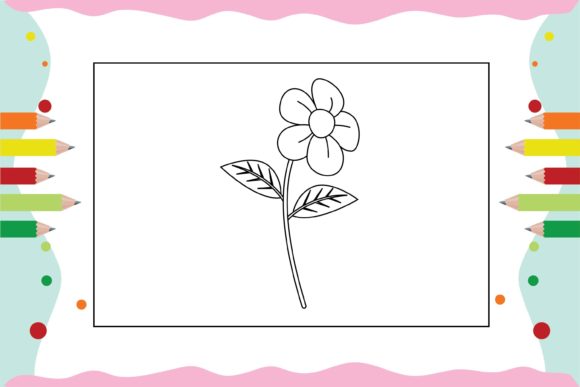
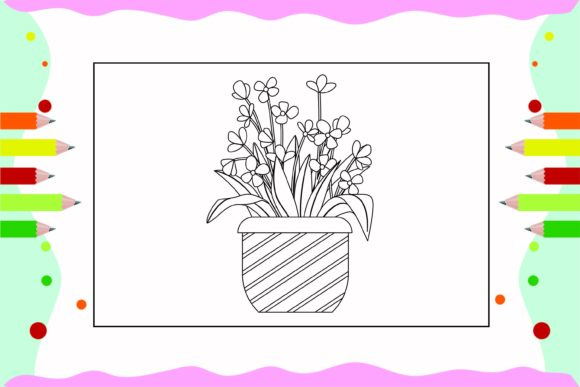
The first impression of Flowers Coloring Pages for Kids 53 is one of playful innocence. The mood is undeniably cheerful, making it an immediate candidate for nursery decor or children's apparel. Unlike rigid corporate logos, this illustration feels organic and hand-drawn, which suggests it will stitch well with a softer, more artistic aesthetic rather than a stark, industrial look. It naturally belongs in projects where warmth and creativity are the primary selling points.
From Screen to Stitch: A Real-World Scenario
Let's imagine a specific scenario to test the practicality of this design. I am preparing a custom embroidered tote bag for a local "Mom & Me" craft event. The goal is to create a unique, handmade product that stands out on a crowded table. I import Flowers Coloring Pages for Kids 53 into my digitizing software to visualize the final result.
On the screen, the lines are crisp and clear. However, once I begin mapping the stitches, the nuances of the coloring page style become apparent. The design relies heavily on clean outlines and distinct shapes, which translates beautifully into satin stitch for the borders. I can already picture the finished product: a sturdy canvas tote featuring the flowers in bright, contrasting thread colors. It would look fantastic as a personalized gift for parents or as a small shop product for Etsy sellers looking to expand their collection of tote bag designs.
The versatility of the file format allows me to resize the artwork to fit different areas of the fabric. Whether I am working on a large sweatshirt embroidery project for a youth team or a tiny patch for a denim jacket, the vector nature ensures the edges remain sharp. This flexibility is crucial for commercial embroidery where one design might need to adapt to various product types, from aprons to pillow covers.
Performance Across Different Fabrics and Projects
Flowers Coloring Pages for Kids 53 performs exceptionally well on stable, medium-weight fabrics. Cotton blends, twill, and felt provide the perfect foundation for this type of embroidery project. The design's moderate detail level means it avoids the pitfalls of overly dense stitch areas, which can cause puckering on lighter materials.
- Custom Apparel: On t-shirts and hoodies, the design offers a friendly, approachable vibe that appeals to young audiences. It works particularly well for sweatshirt embroidery where a slightly larger design area allows the flower details to breathe.
- Baby Items: For baby embroidery, such as onesies or burp cloths, the soft curves of the flowers are gentle on the skin. The lack of excessive texture makes it safe for sensitive baby skin, provided the correct stabilizer is used.
- Home Decor: Imagine this design stitched onto a kitchen towel or a tea towel. The floral theme fits perfectly in a farmhouse-style kitchen. It adds a touch of holiday embroidery charm during spring or summer seasons.
- Accessories: As an embroidered patch, the clean lines make it easy to cut out and attach to caps or hats. However, curved surfaces like caps require careful tensioning to ensure the flowers don't distort.
The design also shines as a digital asset. For Etsy sellers and digital product sellers, having a high-quality vector version of Flowers Coloring Pages for Kids 53 allows for the creation of printable mockups. You can show potential buyers exactly how the finished product will look before they even commit to purchasing the physical item.
Where Caution is Required
While this design has many strengths, no single asset is perfect for every situation. There are specific scenarios where Flowers Coloring Pages for Kids 53 requires careful handling or might not be the best choice.
Hoop Size Limitations: If you attempt to stitch this on a very small hoop size, some of the finer details might get lost. Tiny lettering or intricate corners could become muddy if the stitch count is too low relative to the design size. Always check your hoop size constraints before finalizing the layout.
Fabric Texture and Stretch: Textured fabrics, such as heavy fleece or bouclé, can hide the definition of the stitching. Similarly, stretchy fabrics like jersey knit require a strong stabilizer to prevent the design from distorting during wear. Without proper support, the stitch density might pull the fabric unevenly.
Dark Fabrics: Because the original concept is a coloring page, it likely relies on white or light backgrounds to define the shapes. On dark fabric, the contrast might be challenging unless you use a substantial underlay or applique technique. For dark fabric projects, consider using a backing layer to enhance visibility.
Wash Durability: For products that need frequent washing, such as work aprons or kids' play clothes, ensure that the running stitch areas are reinforced. Loose threads can snag easily on rough surfaces, so a protective top coat or careful thread selection is advisable.
Design Notes for the Professional Crafter
Before you start mass-producing items with Flowers Coloring Pages for Kids 53, there are several practical steps to take. First, always test the design on scrap fabric. This simple step reveals issues with thread color contrast, tension, and stabilizer needs that aren't visible on a computer screen.
Review the stitch density closely. If the fill stitches are too dense, the fabric may pucker; if too sparse, the coverage will look weak. Inspect small details to ensure they hold up at your intended scale. It is also wise to test the design in black and white mockups to verify that the shape remains recognizable without relying on color.
Confirm whether the license terms allow for commercial use. Many designers want to sell personalized gifts or small shop products, but failing to check the licensing agreement can lead to legal trouble. Ensure you have the rights to use the graphics for resale.
Finally, pay attention to the thread colors you choose. Since the source is a coloring page, you have the freedom to experiment. However, stick to colors that complement each other to maintain a professional look. A mismatched palette can ruin the visual appeal of an otherwise well-executed machine embroidery design.
Final Thoughts on Visual Appeal and Value
In the world of handmade crafts, presentation is everything. Flowers Coloring Pages for Kids 53 elevates the perceived value of a product. When customers see a well-stitched, vibrant floral design on a tote bag or a baby blanket, they associate that quality with trust and professionalism. It signals that the maker cares about the details.
This design is more than just a graphic; it is a tool for building a brand. Whether you are creating design assets for a digital store or crafting unique items for a craft fair, this illustration provides a solid foundation. It strikes a balance between simplicity and charm, making it accessible for hobbyists while offering enough structure for serious entrepreneurs.
If you are looking for a versatile embroidery file that can adapt to various embroidery project needs, Flowers Coloring Pages for Kids 53 is a strong contender. Just remember to respect the limitations of the fabric and the machine, and you will end up with a finished product that brings joy to both the maker and the recipient.