Gold Flowers Mandala Illustration: A Designer's Review
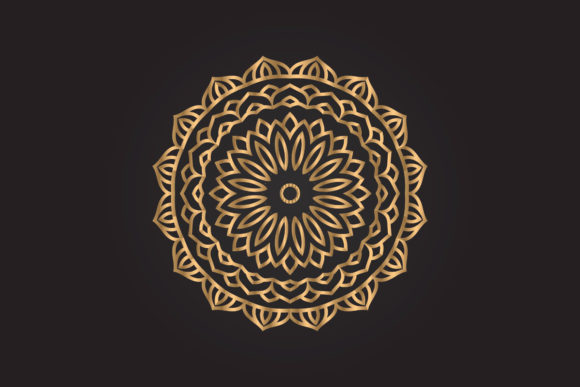
When I first opened the Gold Flowers Mandala Illustration, my immediate reaction was a sense of calm sophistication. As someone who spends hours tweaking stitch densities and debating thread colors for client projects, I know that finding a design with genuine visual weight is rare. This vector graphic isn't just another generic pattern; it carries a specific mood that feels both luxurious and approachable. The golden hues suggest warmth and value, while the mandala structure offers a perfect balance of symmetry and organic flow. It immediately struck me as a design meant for high-end presentation, whether on a boutique tote bag or a personalized baby blanket.
The First Stitch: Visual Impact and Mood
In the world of machine embroidery, the difference between a "nice" design and a "great" one often comes down to how well the artwork translates from screen to fabric. The Gold Flowers Mandala Illustration excels here because its layout is naturally forgiving. Unlike busy floral arrangements that can look cluttered when stitched with satin stitches, this mandala has breathing room. The central motif draws the eye inward, creating a focal point that works beautifully on smaller items like cap fronts or apron pockets. The gold theme implies elegance, making it an ideal choice for wedding favors, bridal showers, or upscale gift packaging.
I imagine this design sitting on a cream-colored linen tea towel in a cozy kitchen, the metallic threads catching the morning light. Or perhaps embroidered on a dark navy sweatshirt where the gold pops against the deep background. The versatility is striking. It feels at home in a nursery setting but also holds its own in a professional commercial context. The illustration doesn't scream for attention; instead, it invites the viewer to lean in and appreciate the intricate details. That subtle confidence is exactly what makes a handmade product feel premium rather than mass-produced.
Real-World Application: From Digital File to Finished Product
Let's talk about a real scenario. I recently had a client asking for a custom line of embroidered patches for their small craft business. They wanted something that represented growth and beauty. I pulled up the Gold Flowers Mandala Illustration to test it out. My goal was to see how it would perform on a thick canvas tote bag intended for a holiday market.
The transition from vector to stitch was smoother than expected. Because the design is a vector file, resizing it to fit a 4x4 hoop required no loss of quality. When I digitized the elements, the fill stitches flowed naturally along the curves of the petals. On the finished product, the gold thread shimmered without looking tacky. Customers at the craft fair didn't just see a flower; they saw a piece of art. The mandala shape provided a sense of completeness that made the tote bag feel like a complete statement piece. It elevated the perceived value of the item, allowing the seller to price it higher than a standard floral print.
This same logic applies to other products. Imagine this design on a baby onesie for a gender-neutral shower. The softness of the mandala lines avoids the harshness of sharp geometric shapes, making it gentle for a baby's skin while still looking modern. For a digital product seller, using this as a printable mockup for a pillow cover listing would instantly grab attention. The clean lines ensure that even in a thumbnail image, the design remains legible and attractive.
Where Caution is Required
While the Gold Flowers Mandala Illustration is robust, every designer knows that no single design fits every situation perfectly. There are specific scenarios where you need to be careful. If you plan to use this on a curved surface like a baseball cap, pay close attention to the distortion. While vectors are editable, the curvature of a cap can stretch the outer edges of a large mandala, potentially distorting the symmetry if not adjusted correctly.
Textured fabrics also present a challenge. If you attempt to stitch this on a heavily napped fleece or a rough burlap, the fine details of the flowers might get lost in the texture. In such cases, a larger hoop size is essential to maintain clarity. Furthermore, on thin or stretchy fabrics like jersey knit, the density of the fill stitches could cause puckering. You must use a proper stabilizer—likely a cut-away for stability—to keep the design flat and crisp. If you are working with dark fabric, ensure your gold thread choice has enough opacity. Sometimes a metallic thread needs a specific underlay to sit properly on top of dark backgrounds.
Another consideration is the level of detail. If you decide to scale this design down to a tiny size, such as a 1-inch patch for a keychain, some of the finer lines might become indistinguishable after stitching. Always check the final output on scrap fabric before committing to the final project. Small details can disappear if the stitch density is too low or the needle gauge is too large.
Design Notes for the Practical Embroiderer
To get the most out of this Gold Flowers Mandala Illustration, I recommend a few practical steps before running your production batch. First, always test the design on a scrap piece of the exact fabric you intend to use. This helps you gauge the thread tension and see how the gold color interacts with the material. Second, review the stitch density. If the design feels too dense, consider reducing the fill percentage slightly to prevent the fabric from becoming stiff and unwearable.
Check your thread colors carefully. Gold can range from yellow-gold to bronze or copper. Ensure the shade you choose complements your brand palette and the fabric color. If you are selling finished goods, consistency is key. Use the same thread brand and color code for every unit to maintain professional standards. Also, verify the licensing terms. Even though the file is described as openable and editable, confirm whether you have the right to sell finished items created with this design. Some licenses restrict commercial use, while others allow it freely.
For those selling digital assets, create mockups that show the design on various backgrounds. Compare how it looks on light versus dark fabrics. This transparency builds trust with your buyers. Finally, inspect the small details closely. Are the corners of the mandala sharp? Do the petals connect smoothly? A well-executed embroidery file should look seamless, regardless of the stitch type used.
Final Thoughts on Value and Versatility
The Gold Flowers Mandala Illustration stands out because it bridges the gap between artistic expression and commercial viability. It is not just a pretty picture; it is a functional tool for designers, Etsy sellers, and crafters looking to add a touch of luxury to their products. Whether you are creating a custom apparel line, personalizing gifts for family, or building a brand identity for a small shop, this design offers a reliable foundation.
It encourages creativity while providing the structure needed for consistent results. By paying attention to fabric choices, stabilizers, and stitch settings, you can transform this vector graphic into a stunning finished product that customers will cherish. The mandala form speaks to a desire for harmony and beauty, qualities that resonate deeply in today's handmade market. With the right execution, this design can become a signature element of your work, helping you build a reputation for quality and style.